
Confessions of an Event Producer | Real Lessons in Event Planning
Confessions of an event producer sharing real lessons about contracts, VIP expectations, budgeting stress, and what truly determines event success. If your plugin needs slightly longer, use this version: Confessions of an event producer sharing real lessons about contracts, VIP expectations, budgeting stress, and what truly determines long-term event success.
Tommy Brunswick
3/2/20262 min read
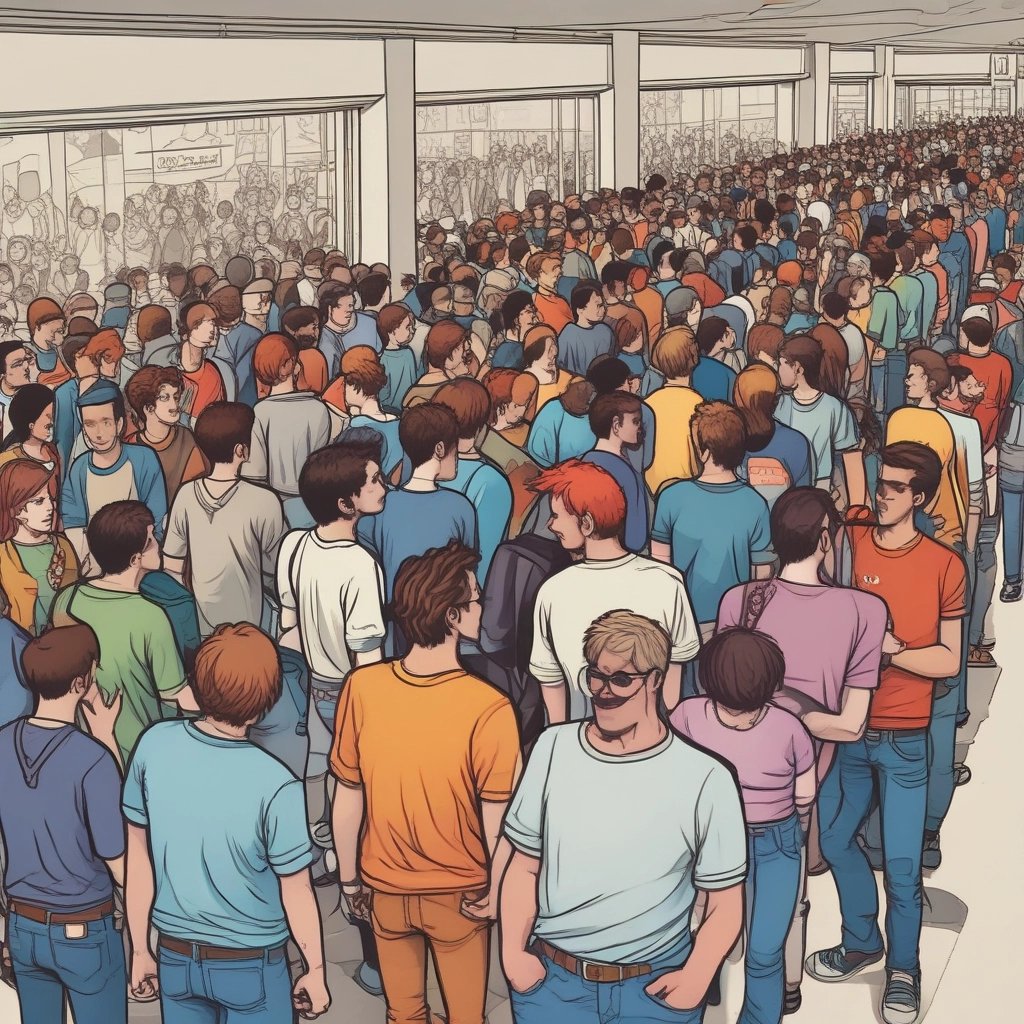
Confessions of an Event Producer: Things No One Warned You About
Everyone talks about the exciting parts of producing an event.
The packed rooms.
The photo ops.
The celebrity moments.
The big announcements.
What they don’t talk about?
The quiet realities that determine whether you survive the weekend.
After years of producing live conventions and large-scale events, here are a few things no one warned me about — but absolutely should have.
1. “VIP” Doesn’t Mean Low Maintenance
VIP ticket holders are valuable.
They pay more.
They want access.
They expect experience.
They also:
Email more
Ask more questions
Arrive early
Stay late
Expect perfection
VIP tiers can be powerful revenue tools — but they require planning, staffing, and boundaries.
High price does not mean low effort.
2. Someone Important Will Miss Their Flight
It will happen.
A celebrity.
A speaker.
A sponsor.
Flights get delayed.
Connections get missed.
Weather changes.
You cannot build an event that collapses because one person is late.
Always ask yourself:
“If this one element disappears, does the weekend still work?”
If not, your structure is fragile.
3. Your Biggest Stress Won’t Be the Crowd
It will be contracts.
Room blocks.
Food & beverage minimums.
Staffing costs.
Last-minute equipment needs.
The crowd is the visible part.
The financial exposure is the invisible part.
The invisible part is what keeps producers up at night.
4. Swag Bags Don’t Make You Profitable
Custom lanyards.
Branded programs.
Fancy step-and-repeats.
Oversized banners.
They look impressive.
They rarely increase revenue.
New producers overspend on aesthetics.
Experienced producers invest in structure.
If it doesn’t directly improve revenue, retention, or positioning — question it.
5. Ticket Sales Will Mess With Your Emotions
Slow sales feel personal.
Fast sales feel euphoric.
Neither is stable.
You must separate emotion from math.
Your break-even number matters more than your ego.
Sustainability beats hype every time.
6. The Real Work Happens Before Doors Open
Attendees see the weekend.
They don’t see:
Contract negotiations
Vendor coordination
Risk modeling
Budget stress-testing
Staffing structure
Contingency planning
Event production isn’t a weekend job.
It’s a systems job.
The weekend is simply the public result.
7. The Goal Is Survival — Then Scale
Your first event doesn’t need to be legendary.
It needs to be survivable.
Every producer who lasts learns this:
Structure first.
Stability second.
Scale third.
In that order.
Over the years producing events like Motor City Nightmares, Rocky Mountain Nightmares, Ve Neill's Vampire Weekend, and Crystal Lake Nightmares, I’ve learned that the most valuable lessons rarely happen on stage.
They happen in the margins.
If you’re building your first event — or trying to fix one that feels chaotic — I teach these structural systems inside my live workshops.
Because the fun parts are easy.
The foundations are what matter.
Build smart.
Not loud.
— Tommy Brunswick
Founder, Event Monster